Press play to watch/listen to “The Devastating Impact of Losing PIP Daily Living on Motability Car users” or scroll to continue reading.
For Disabled People, Losing PIP Daily Living Can Mean Losing Their Lifeline
Personal Independence Payment (PIP) is meant to support disabled people in living independent, dignified lives. It’s not just about money—it’s about mobility, care, and access to the world. When PIP Daily Living is removed, the ripple effect can be devastating.
Especially for those who rely on Motability cars, the impact can mean losing access to essential care OR giving up the vehicle they depend on.
The Overlooked Connection Between PIP Daily Living and Motability
How Losing PIP Daily Living Affects Motability Car Users
PIP is split into two parts:
- Daily living (care)
- Mobility
While Motability car users’ eligibility rules are tied to the mobility component, losing the care component (Daily Living) often leads to full reassessments, and in many cases, the entire PIP award being downgraded or removed. That includes mobility entitlement and therefore, the Motability car.
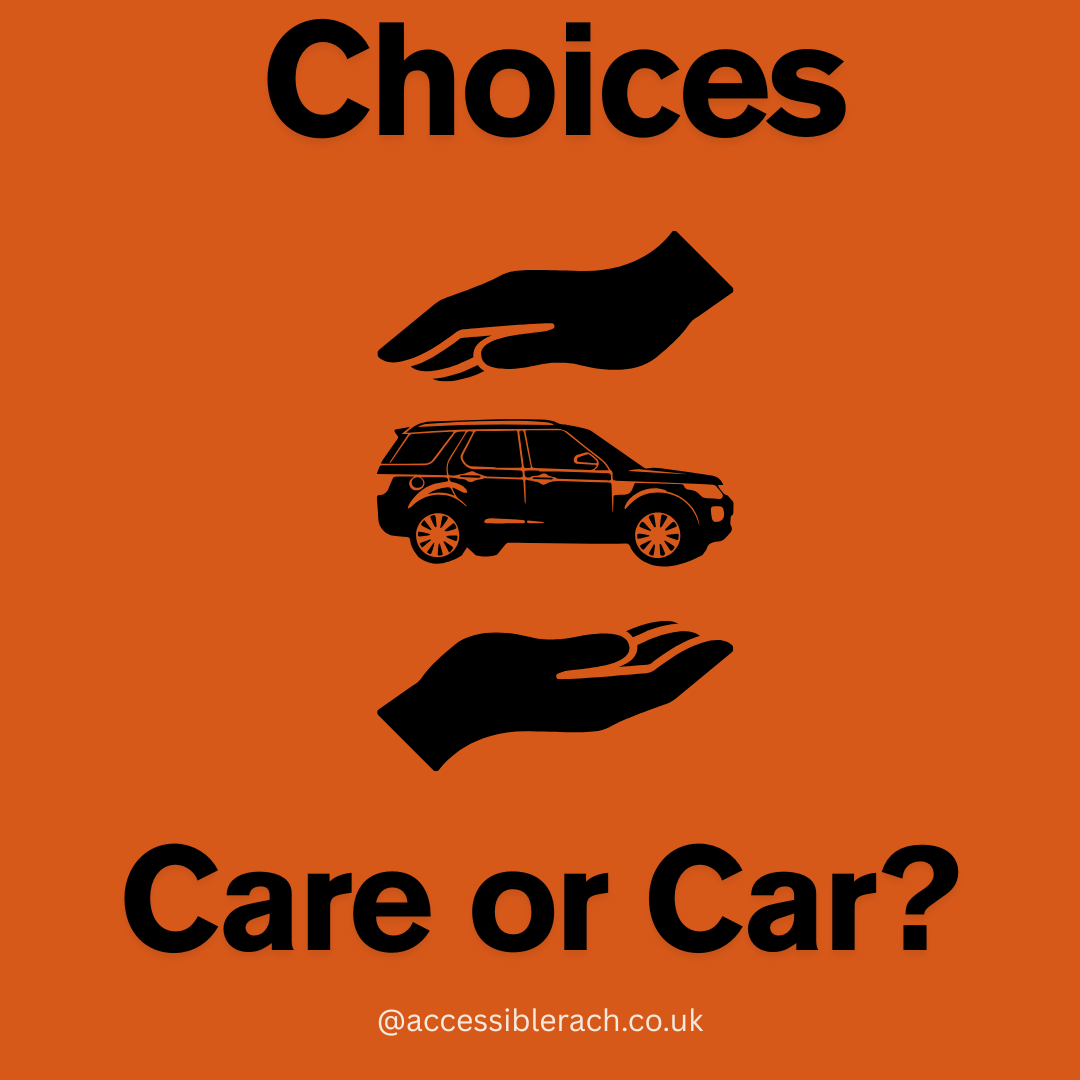
Two Impossible Choices: Care or Car?
Pip reassessment impact
For some, the PIP mobility component remains, but the care component (Daily Living) is removed, meaning they now have to pay out of pocket for essential care needs.
And what happens when you can’t afford both care and a car?
People are being forced to give up their vehicles just to afford help at home.
Others lose the car outright due to reassessment outcomes that ignore the realities of fluctuating or invisible conditions, like multiple sclerosis.



The Human Cost
The effects of losing PIP Daily Living support go far beyond finances; they cut off vital services and mobility, leaving many disabled people isolated.
- Get to medical appointments
- Access employment or education
- Attend social or community events
- Maintain independence
Taking that away means people become housebound, isolated, and often mentally unwell from the sudden and traumatic loss of autonomy.
Some describe it as losing their last connection to the outside world.
It’s Not Just a Car, It’s a Lifeline
For many disabled drivers in the UK, Motability vehicles are more than just transport—they are their only link to independence.
When you take away care support, you’re not just cutting back a line item on a benefits form. You’re forcing people into impossible choices:
- Do I pay for a carer or keep my car?
- Do I go without meals or miss my hospital appointments?
- Do I give up work or spend my rent money on taxis?
These are the real-life questions disabled drivers and their carers are facing because of one decision to remove the care component of PIP.


What Needs to Change
We urgently need a policy that recognises the interconnectedness of care, mobility, and independence. People should never have to choose between having a car and receiving personal care.
A fairer, more compassionate system would:
- Take a holistic view of support needs
- Reduce reassessment trauma
- Guarantee continued access to Motability where needed
- Respect the lived experience of disabled people
- Personal Independence payments must reflect lived experience
Final Thoughts
Removing the Daily Living component of PIP can cause disabled people to lose their Motability car and independence in one stroke.
It does far more than reduce financial support; it disrupts lives, isolates people, and in too many cases, removes their only means of staying connected to the world outside their front door.
If the government wants to support disabled people, it must recognise that removing care support isn’t a cost-saving measure, it’s a lifeline cut.
Related articles on Disability rights, Mental Health Support, and Navigating Benefits.
Let’s chat in the comments about how this will affect you.